Begin with the sleep surface
AAP guidance calls for supine sleep on a firm, flat, noninclined surface that meets applicable federal standards, with no soft objects or loose bedding. A bassinet is a short-use sleep space, not an exception to those rules. Use only the mattress or pad and fitted sheet permitted by the exact manual.
Compare documented modes, not category hype
Bedside-access products, powered soothing systems, and manually rocking cradles solve different problems. Confirm that the manufacturer identifies each intended mode as an infant sleep configuration. A detached, inclined, supervised-awake, or travel configuration must not be assumed suitable for sleep.
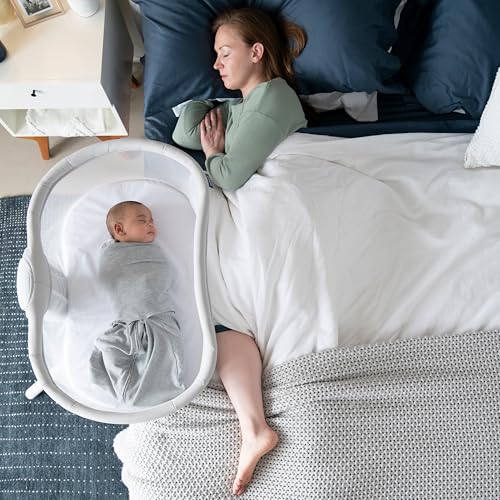
HALO
HALO BassiNest Soothing Sleeper 3.0
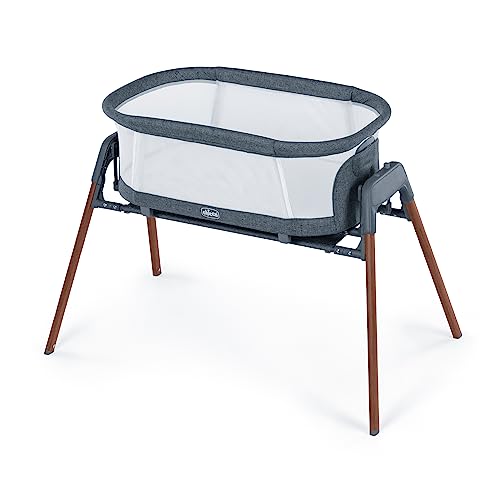
Chicco
Chicco LullaGlide 3-in-1 Bassinet
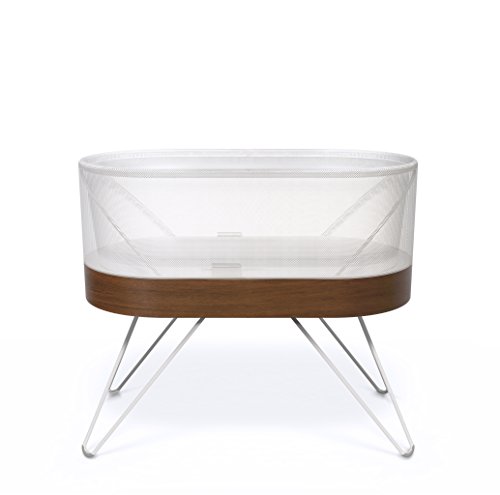
Happiest Baby
Happiest Baby SNOO Smart Sleeper Bassinet
Use the first stop-use milestone
The product manual—not a static comparison table—controls when use must stop. Check weight, age, movement, pushing-up, rolling, or other milestone language and stop when the first applicable limit is reached. Re-read the manual if the product is handed down or stored between children.
Check identity and recall status
Record the exact brand, model number, manufacture date, and label before searching CPSC. A family name can span several revisions, so a similar product name or marketplace title is not enough. Register the product and follow the regulator or manufacturer remedy rather than improvising a repair.
Treat automation as a convenience feature
Motion, sound, app controls, and detection features can support a routine, but none replace caregiver checks or the safe-sleep baseline. For SNOO specifically, FDA's decision summary did not demonstrate a direct reduction in SIDS or SUID; that limitation belongs beside the authorization claim.
Happiest Baby